Everything about hayward top massage
Everything about hayward top massage
Blog Article
Open Up the Benefits of Therapeutic Bodywork: Your Path to Serenity and Wellness
Massage therapy offers a thorough system to advancing health. It stimulates circulation and diminishes pressure, fostering both physical and affective wellness. Diverse modalities cater to individual demands, making it essential to grasp their distinct strengths. As individuals consider bringing massage into their health schedules, doubts come up about ideal preferences and anticipated results. What awareness can be extracted from delving into these aspects further?
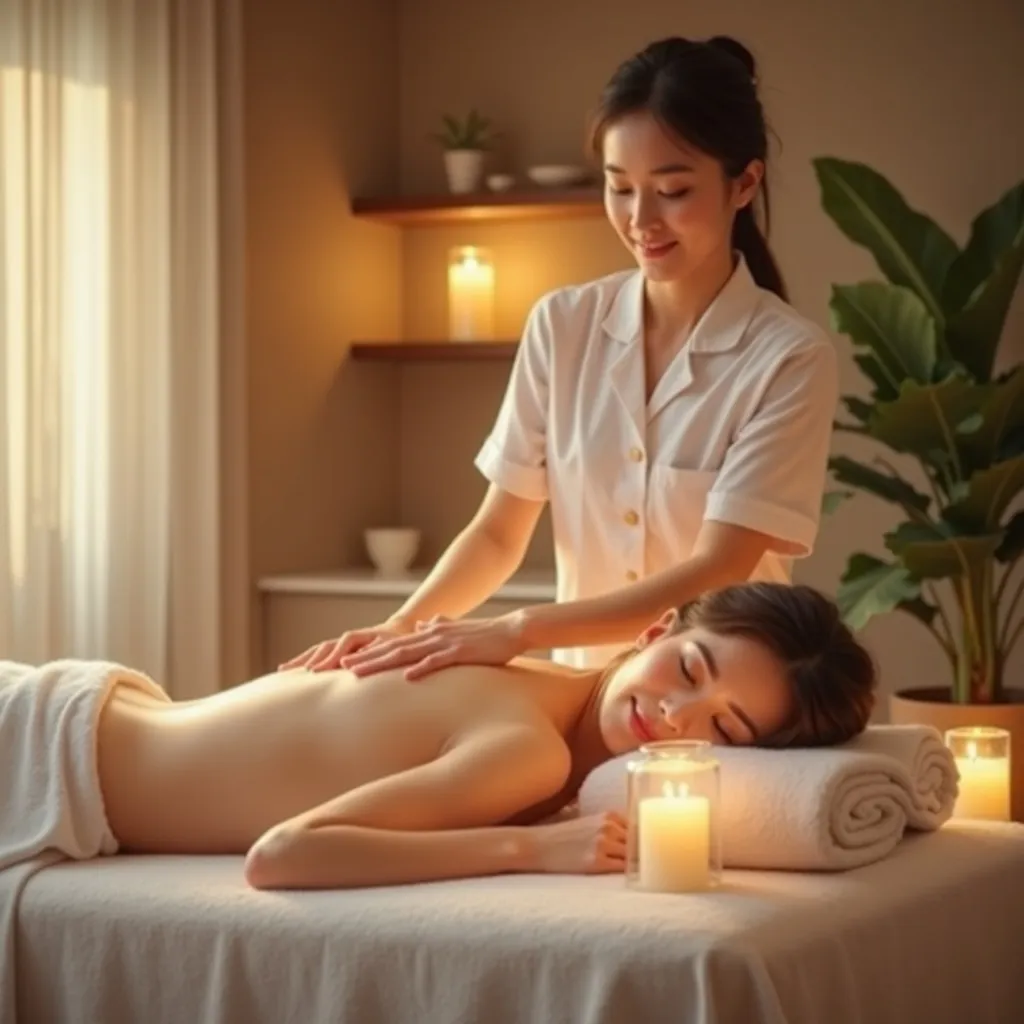
The Research Findings for Massage Therapy Benefits
What makes therapeutic massage so effective in enhancing wellness? The science behind this practice lies in its ability to affect the body's physiological and psychological states. Therapeutic massage increases blood circulation, improving the delivery of vital elements and oxygen to tissues while facilitating the removal of bodily toxins. This improved circulation can contribute to faster recovery from injuries and reduced muscular tightness. Furthermore, the hands-on contact involved in therapeutic work promotes the production of natural pain-relieving chemicals, the body's natural painkillers, fostering a sense of relaxation and comfort.
Moreover, evidence indicates that massage therapy can alter the autonomic nervous system, converting it from a state of stress to one of peace. This stability helps sustain heart rate and blood pressure, boosting overall health. By tackling both physical and emotional aspects, massage therapy represents a integrated method to improving vitality, making it a key resource in health management.
How Massage Therapy Decreases Stress and Worry
Massage therapy facilitates an enhanced relaxation response, which can noticeably reduce stress and anxiety. Evidence suggests that it effectively lowers cortisol levels, contributing to a calmer state of mind. Additionally, the practice fosters better emotional control, supporting emotional well-being.
Enhanced Relaxation Response
The gentle touch of trained hands can induce a profound relaxation response, successfully reducing stress and anxiety. Massage therapy aids in releasing related resource tension from the muscles, enhancing an overall feeling of calm. This physical release helps individuals feel more grounded, allowing their minds to enter a tranquil state. Clients often share experiencing a notable reduction in racing thoughts and mental clutter both during and after a session. Moreover, the rhythmic nature of massage can evoke a meditative state, enhancing emotional well-being. During relaxation, the body causes the heart rate to slow, and breathing to become deeper and more regular. This comprehensive relaxation response does not only provides immediate relief but also supports long-term improvements in stress management and overall mental health.
Decreased Stress Hormone Output
While many pursue rest through different approaches, research shows that therapeutic massage significantly reduces cortisol levels, a primary stress hormone. High cortisol is often associated with chronic stress, which can result in various health issues, including anxiety and depression. Studies show that consistent therapeutic massage can substantially reduce these cortisol levels, promoting a state of peace and wellness. This reduction not only eases immediate stress responses but also contributes to long-term health benefits. By lowering cortisol, massage therapy can help people manage their stress more effectively, enhancing their overall quality of life. In addition, lower cortisol levels may improve sleep and boost immune function, establishing a holistic approach to wellness and relaxation.
Optimized Mood Regulation
Although various factors influence emotional well-being, research clearly demonstrates that massage therapy plays a key role in improving emotional control by reducing stress and anxiety. The physiological effects of massage, including improved circulation and muscle relaxation, foster a sense of calm. Studies have shown that regular sessions can lower cortisol, the stress hormone, while additionally increasing serotonin and dopamine, chemical messengers connected to relaxation and happiness. Clients frequently report reduced symptoms of anxiety and depression after treatment, which builds their overall emotional resilience. By tackling both physical and emotional tension, massage therapy acts as a valuable resource for those seeking better mental health and a more balanced mood.
Discovering Massage Treatment Techniques and Their Benefits
Massage therapy includes a assortment of approaches, each intended to tackle specific somatic and emotional requirements. An examination of these approaches indicates substantial wellness advantages, spanning from enhanced ease to improved circulation. Comprehending the distinct approaches can assist individuals determine the most effective method for their health progression.
Varieties Of Massage Approaches
The diverse world of therapeutic massage encompasses a variety of techniques, each customized to fulfill particular needs and wants. Swedish massage remains one of the most popular styles, emphasizing on extended, flowing movements to promote calm. Deep tissue massage goes deeper into muscle layers to diminish long-standing tension. Sports massage targets athletes, boosting performance and facilitating recovery through specialized techniques. Shiatsu, a Japanese method, applies finger pressure on specific areas to harmonize energy flow. Meanwhile, aromatherapy massage merges essential oils with soft techniques to boost relaxation and emotional well-being. Finally, prenatal massage is designed for expectant mothers, delivering solace and alleviation from pregnancy-related discomfort. Each approach delivers unique benefits and can cater to individual health objectives.
Wellbeing Positives Outline
Looking into the many health benefits of massage therapy shows its deep impact on physical and mental well-being. Studies indicate that massage can relieve pain, lessen muscle tension, and boost circulation, facilitating faster healing from injuries. Also, it increases flexibility and range of motion, necessary for leading an active lifestyle. Psychologically, massage therapy is recognized for reducing stress and anxiety, leading to better mood and mental clarity. Moreover, it enhances better sleep quality, facilitating restorative rest. Regular sessions can foster a more balanced state of mind and body, emphasizing the importance of incorporating massage therapy into holistic wellness practices. Consequently, the benefits of massage therapy extend far beyond mere relaxation.
Steps to Choose the Right Massage for Your Purposes
What is the best way to choose the most appropriate massage type to align with personal wellness goals? First, it is vital to identify specific needs, such as relaxation, pain relief, or improved mobility. For stress reduction, Swedish massage may be ideal, focusing on gentle techniques that promote relaxation. Conversely, for muscle tension or chronic pain, deep tissue massage targets deeper layers of muscle and connective tissue.
People seeking better athletic performance might benefit from sports massage, which focuses on enhancing flexibility and lowering the risk of injury. Furthermore, those interested in holistic approaches could explore aromatherapy massages, incorporating essential oils for enhanced relaxation and mood improvement.
Speaking with a qualified massage specialist can supply helpful information into which approaches complement personal objectives. By grasping the various types of bodywork and their benefits, individuals can create educated decisions that closely match with their wellness goals.
Incorporate Massage Therapy Into Your Wellness Routine
Integrating massage therapy into a health regimen can greatly enhance overall vitality. Frequent sessions can reduce stress, relieve muscle tension, and boost circulation, leading to a more balanced lifestyle. By carving out time for massage, people form a special zone for relaxation and self-care, which can be especially helpful in our busy modern era.
Developing a steady schedule, whether once a week or twice monthly, allows the body to obtain cumulative benefits. This method not only supports maintain corporeal health but also fosters intellectual clarity and emotional stability. Additionally, blending multiple types of massage—such as Swedish, deep tissue, or aromatherapy—can cater to specific preferences and preferences, enhancing the overall engagement.
Ultimately, making massage therapy a regular part of a health regimen enables people to focus on their well-being, leading to better life quality and a deeper connection to their physical requirements.
What to Anticipate During Your First-Time Massage Experience
After identifying massage therapy as an essential element of a wellness routine, individuals might consider what their first session will consist of. Usually, the experience starts with a short consultation during which the therapist evaluates the client's medical history, preferences, and particular areas of concern. This conversation provides a personalized approach designed for individual needs.
Once comfortable, clients are guided to a private room and requested to undress to their comfort level, often under a towel or sheet for privacy. The therapist will demonstrate methods, describing the process and addressing any questions. Early strokes may seem unfamiliar, but the therapist will adjust intensity according to feedback.
Throughout the session, relaxation is prioritized, and clients are encouraged to communicate any discomfort. After the massage, clients often get post-treatment guidance, including hydration tips and potential stretches. Overall, the first session establishes the groundwork for a healing partnership centered on wellness.
Often Posed FAQs
How Regular Should My Massage Routine Be for Best Results?
For excellent benefits, individuals should consider getting a massage every four to six weeks. However, how often may differ based on personal needs, stress levels, and particular medical concerns requiring tailored treatment for optimal outcomes.
Can Therapeutic Massage Assist With Specific Medical Conditions?
Massage therapy may support handling certain medical conditions, such as chronic pain, anxiety, and muscle tension. Its therapeutic qualities could support conventional therapies, encouraging general health and accelerating recovery for various conditions.
Which Should I Put On Throughout a Bodywork Appointment?
Throughout a massage session, clients typically put on relaxed, cozy garments or may choose to remove clothing to their level of comfort. Massage professionals supply draping for discretion, ensuring relaxation while upholding professional standards throughout the appointment.
Are There Any Side Effects of Therapeutic Massage?
Massage therapy can cause minor issues, including short-term tenderness, marks, or weariness. People suffering from specific health problems may experience more significant reactions, making speaking to a medical practitioner earlier wise for personalized guidance.
What's the Best Way to Locate a Qualified Massage Therapist?
To locate a qualified massage therapist, individuals should seek recommendations from reliable contacts, verify qualifications, review customer feedback, and confirm certifications. A pre-booking consultation can also help evaluate suitability and skill level.
Report this page